
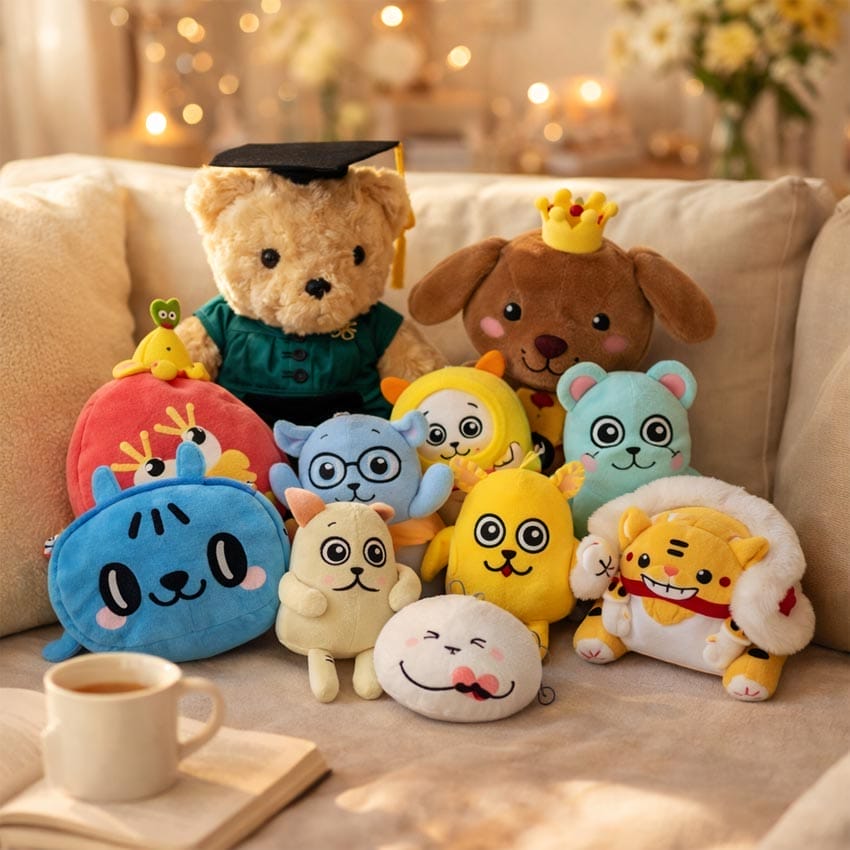
For events, they act like a high-value giveaway that travels home with attendees. For retail, they can become a repeatable product line with seasonal drops, characters, and collaborations.
What makes custom stuffed animals a smart choice for merchandise?
Brands investing in custom stuffed animals combine novelty with comfort, which makes them easy to justify as both a gift and a purchase. Unlike standard promo items, plush toys often end up on beds, desks, and shelves, keeping the brand visible without feeling like an ad.
They also suit many audiences, from kids to collectors. When the design feels intentional, people treat it as a character or keepsake rather than a logo item.
Who typically buys or uses custom plush for events and retail?
They are used by conference organizers, festivals, sports teams, schools, museums, nonprofits, and consumer brands. Retailers often carry plush tied to mascots, local identity, or limited edition partnerships.
They also fit internal culture use cases. Companies frequently order plush for employee onboarding, milestone gifts, or team recognition, especially when they want something friendlier than apparel.
How do events use custom stuffed animals effectively?
They are commonly used as VIP gifts, sponsor bundles, speaker thank-you items, or prize booth rewards. The key is to attach the plush to a moment, like completing a challenge, visiting a sponsor area, or attending a keynote.
They also work well for photo ops. A character plush can become a visual symbol of the event, showing up in attendee photos and extending reach beyond the venue.
How can retailers turn a custom plush into a sellable product?
They can position it as a collectible with a clear story, name, and consistent design language. Plush performs best when it feels like part of a world, such as a mascot, brand character, or themed series.
Retailers also benefit from size and price tiering. A small keychain plush supports impulse buys, while a larger premium version supports gifting and higher margins.
What design choices matter most for a plush people actually want?
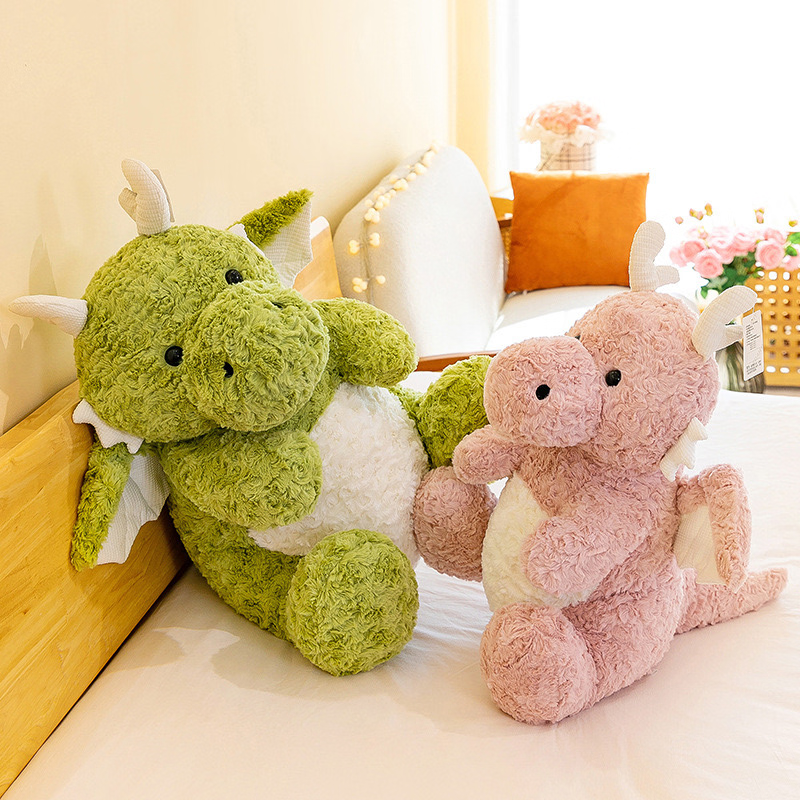
A strong silhouette and face design matter more than adding lots of tiny details. People connect with plush through expression, shape, and proportion, so a clean design usually reads better from across a room and on a shelf.
Materials also shape perceived quality. Soft fabrics, tidy stitching, and thoughtful color matching make the product feel premium, while an overprinted logo can make it feel purely promotional.
What customization options do brands usually choose?
They often customize the plush shape, colors, outfit, and accessories to match a mascot or theme. Many also add branded elements like embroidered logos, sewn-on tags, custom packaging, or story cards.
Some go further with seasonal costumes or limited editions. That approach helps drive repeat purchases and makes the plush feel like a series rather than a one-off item.
What should they know about minimum order quantities and timelines?
Most custom plush manufacturing involves minimum order quantities, and timelines depend on sampling, revisions, and production capacity. The process typically starts with a design file, moves into a prototype sample, and then goes to bulk production once approved.
They should plan earlier than they think, especially for events with fixed dates. Buffer time for shipping and any last-minute tweaks is what separates a smooth launch from a stressful one.
How do they ensure quality and safety standards are met?
They should request a pre-production sample and confirm fabric feel, stitching, embroidery, and color accuracy before approving bulk. Clear acceptance criteria also help, such as tolerance ranges for size and color and rules for label placement.
If the plush is intended for children, they should confirm relevant safety requirements in the target market. That includes secure attachment for small parts and appropriate labeling, which reputable suppliers should be able to support.
How can custom stuffed animals support branding without feeling pushy?
They work best when the branding is integrated, not slapped on. Subtle embroidery, a small woven tag, or character-themed design cues usually feel more tasteful than a large printed logo.
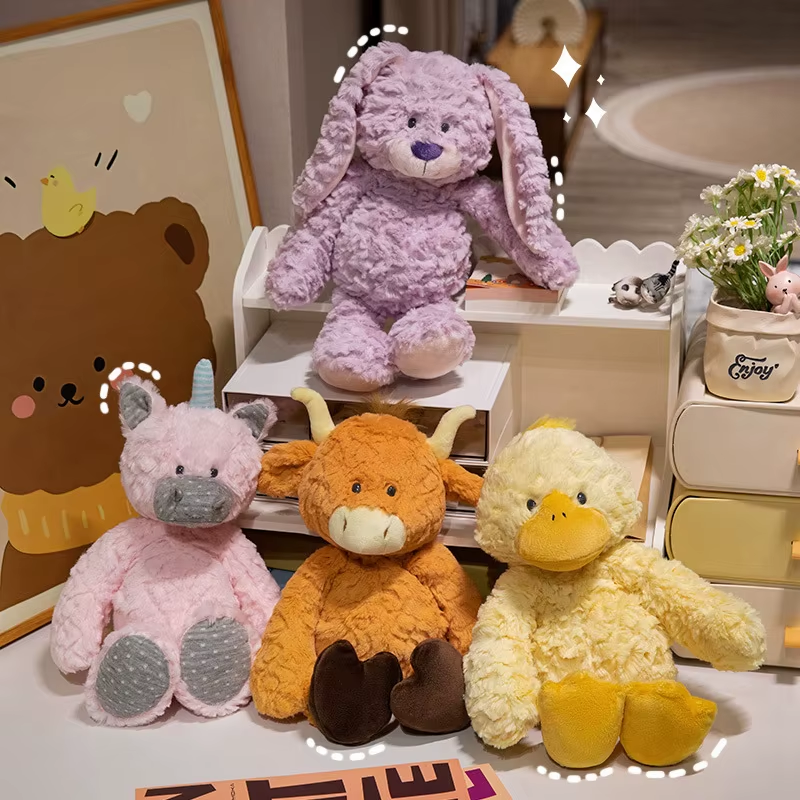
When the plush tells a story, the brand becomes part of the character rather than the main message. That is what makes people keep it and display it. Click here to get about custom poker chips: 5 creative uses beyond casinos.
What are the best ways to package and present plush at events or in stores?
They can use simple upgrades like custom hang tags, recyclable polybags with branded inserts, or gift-style boxes for premium versions. Packaging should match where it will be sold or handed out, since retail shelves and event swag tables have different needs.
For events, a small story card or QR code can connect attendees to a landing page, sponsor offer, or community link. For retail, packaging should help the plush stand upright and show the face clearly.
How should they decide between giveaways and paid merchandise?
They should base it on audience size, budget, and the role of the plush in the experience. For large crowds, a smaller plush or keychain version can work as a giveaway, while premium sizes stay reserved for VIP tiers or paid sales.
A hybrid strategy often performs best. They can offer a limited free quantity to create buzz, then sell the full version in the merch store or online for those who want it.
What is the simplest way to get started without overcomplicating it?
They can start with one character, one size, and one clear use case, such as a conference mascot plush for VIP bags or a retail-exclusive local character. A focused first run makes sampling, approvals, and marketing easier.
Once demand is proven, they can expand into variants, seasonal outfits, bundles, and limited editions. That is when custom stuffed animals move from a fun idea to a dependable merchandise channel.
FAQs (Frequently Asked Questions)
Why are custom stuffed animals considered a smart merchandise choice for brands and events?
Custom stuffed animals combine novelty with comfort, making them easy to justify as both gifts and purchases. Unlike standard promotional items, plush toys often end up displayed on beds, desks, and shelves, keeping the brand visible without feeling like an advertisement. They appeal to a wide range of audiences, from children to collectors, and when designed intentionally, are treated as characters or keepsakes rather than mere logo items.
Who typically uses custom plush toys for events and retail purposes?
Custom plush toys are popular among conference organizers, festivals, sports teams, schools, museums, nonprofits, and consumer brands. Retailers often feature plush tied to mascots, local identities, or limited edition collaborations. Additionally, companies use them internally for employee onboarding, milestone gifts, or team recognition when seeking a friendlier alternative to apparel.
How can events effectively incorporate custom stuffed animals into their strategies?
Events commonly use custom stuffed animals as VIP gifts, sponsor bundles, speaker thank-you items, or prize booth rewards. Attaching the plush to specific moments—like completing challenges or attending keynotes—increases engagement. They also serve well in photo opportunities; a character plush can become a visual symbol of the event that appears in attendee photos and extends reach beyond the venue.
What design elements are crucial for creating custom plush toys that people actually want?
A strong silhouette and expressive face design matter more than intricate details. People connect with plush through expression, shape, and proportion; thus, clean designs read better across rooms and on shelves. High-quality materials such as soft fabrics, tidy stitching, and thoughtful color matching enhance perceived value. Overprinted logos can diminish appeal by making the product feel purely promotional.
What customization options do brands usually select for their custom stuffed animals?
Brands often customize plush shapes, colors, outfits, and accessories to match mascots or themes. Additional branded elements include embroidered logos, sewn-on tags, custom packaging, and story cards. Some opt for seasonal costumes or limited editions to drive repeat purchases and position the plush as part of an ongoing series rather than a one-off item.
What should brands know about minimum order quantities and production timelines when ordering custom plush toys?
Most custom plush manufacturing requires minimum order quantities. Timelines depend on stages like sampling, revisions, and production capacity. The process starts with a design file followed by prototype samples before bulk production approval. Planning ahead is essential—especially for events with fixed dates—to accommodate shipping and last-minute adjustments and ensure a smooth launch.